The Health Folder: One Place for Records, Questions and Contacts
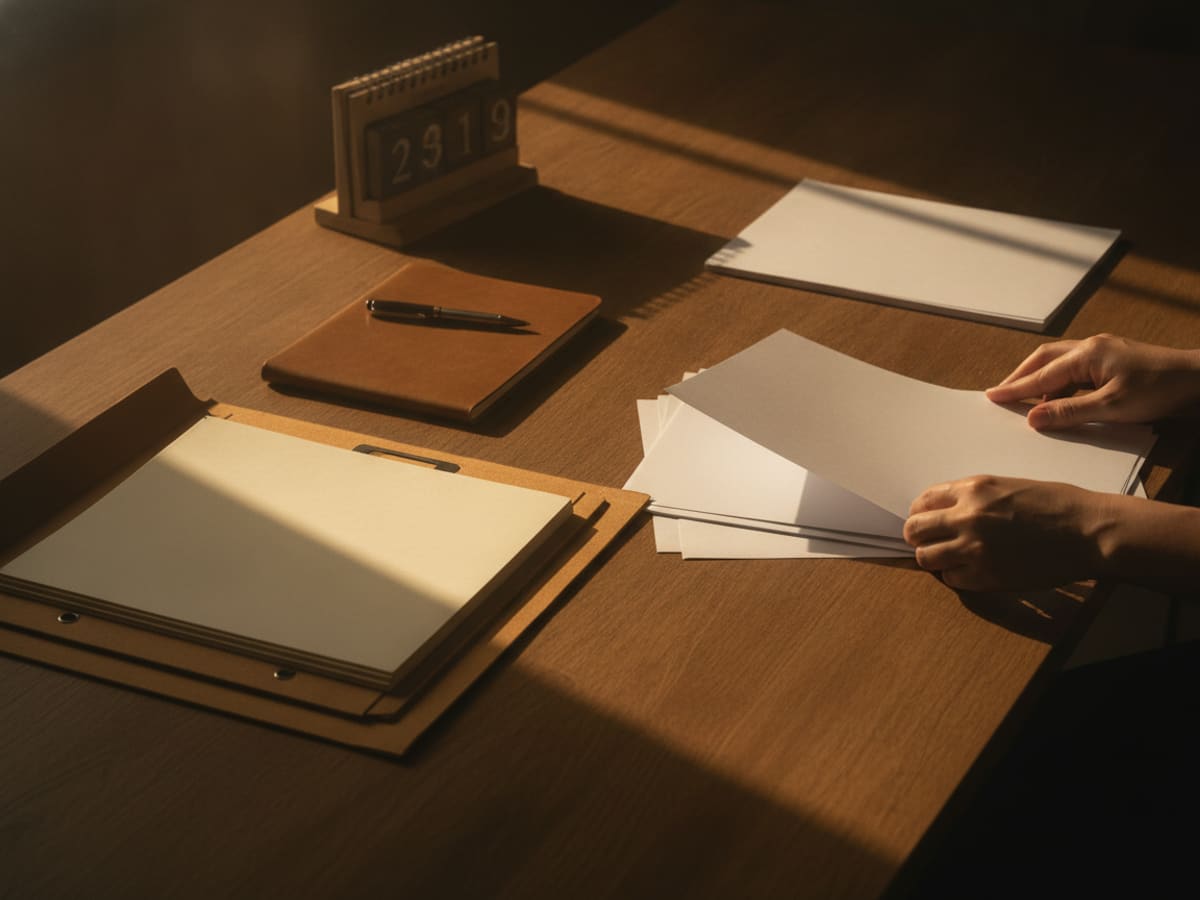
Appointments go more smoothly when your information is easy to find. This Guide walks through setting up a simple folder, paper or digital, with what to include and how to keep it current.
Why a single home for information helps
Most of us carry our health details in a dozen places. There's a phone number on a sticky note, a test result in the mail pile, and a question you meant to ask that slipped away somewhere between the parking lot and the waiting room.
A health folder pulls it all into one spot. When you sit down with a doctor, you can answer questions about dates, medications and past visits without guessing. You also spend less of a short appointment searching your memory and more of it getting your questions answered.
It doesn't need to be fancy. A three-ring binder, an accordion file or a labeled box all work. If you prefer a screen, a single folder on your computer or a notes app works too. What matters is that you pick one home and keep using it.
What to gather: contacts, appointment dates and notes
Start with what you already have and don't worry about making it perfect. A first pass might take an afternoon with a cup of tea.
Here are the basics worth collecting:
- Names, phone numbers and office addresses for your primary care provider, specialists, dentist, eye doctor and pharmacy
- Your insurance or coverage card details, plus any member service phone number printed on the card
- Dates of recent and upcoming appointments
- Dates of past tests, screenings and vaccinations, if you know them
- Copies of visit summaries, test results and referral letters
- Emergency contacts, with a note on how each person is related to you
- Any advance directive or health care proxy paperwork, or a note saying where the originals are kept
For appointments, keep a simple running page. After each visit, jot down the date, who you saw, what was discussed and any next steps, such as "schedule follow-up" or "get blood work done before next visit." Two or three lines is plenty. Notes written right away are far more useful than memories reconstructed months later.
If you're keeping paper, put the newest items on top so the latest information is the first thing you see.
Keeping a current list of your medications and who prescribed them
If you only build one page for your folder, make it this one. A clear medication list is something nearly every health professional will ask to see, and it's easy to forget a detail when you're put on the spot.
For each item, write down:
- The name as it appears on the label
- What it's for, in your own words
- How it's taken, copied exactly from the label
- The name of the person who prescribed or recommended it
- The date you started, if you remember
- Which pharmacy fills it
Include everything you take, not just prescriptions. Over-the-counter products, vitamins, herbal items and creams all belong on the list, because they can matter to your care team. Add any allergies or past bad reactions at the top of the page.
Copy information straight from the label or from your pharmacy's printed sheet rather than from memory. If something changes, cross it out, add the date and write in the update. Please don't change how you take anything based on your own list. Any changes should come from the person who prescribes it.
Writing down questions as they come up
Questions tend to show up at inconvenient moments, like in the shower, at 2 a.m. or while you're watching the news. Keep a page at the front of your folder titled "Questions for my next visit," and add to it whenever something occurs to you.
A few habits make this page more useful:
- Write the date next to each question so you remember when it started
- Note any pattern you've noticed, such as "happens mostly in the evening"
- Leave space under each question to write the answer during the appointment
- Put your most important question at the top, since time can run short
At the visit, bring the page out early. You might say, "I wrote down a few things I'd like to cover." Most professionals appreciate a patient who comes prepared. Afterward, jot down what you were told, and if something wasn't clear, ask the office how to follow up.
Deciding who else should know where it is
A folder is most helpful when the right person can find it in a hurry. Think about who that might be: a spouse, an adult child, a close friend or a neighbor you trust.
You don't have to hand over every detail. You can simply tell someone, "My health folder is in the top drawer of the desk, and the first page lists my emergency contacts and medications." Knowing where to look can make a stressful moment easier for everyone.
Consider these steps:
- Choose one or two people you trust.
- Show them where the folder is kept and what's inside.
- Make sure your emergency contacts and medication list are on the first pages.
- Let your doctor's office know if you want certain people to be able to speak with them on your behalf. Many offices have a form for this.
- Revisit the conversation if your health or living situation changes.
A quick monthly check to keep it up to date
A folder only helps if it's current. Pick a regular day, like the first Sunday of the month, and spend about fifteen minutes on it.
- File any new papers, such as visit summaries, test results and insurance mail.
- Compare your medication list to what's actually in your cabinet and update anything that has changed.
- Add upcoming appointments to your calendar and to the folder.
- Look over your questions page and star the ones that still matter.
- Check that phone numbers and contacts are still right.
That's it. A few minutes each month keeps the folder ready, so the next time you're asked for a date or a name, you'll know right where to find it.